
Marginalia
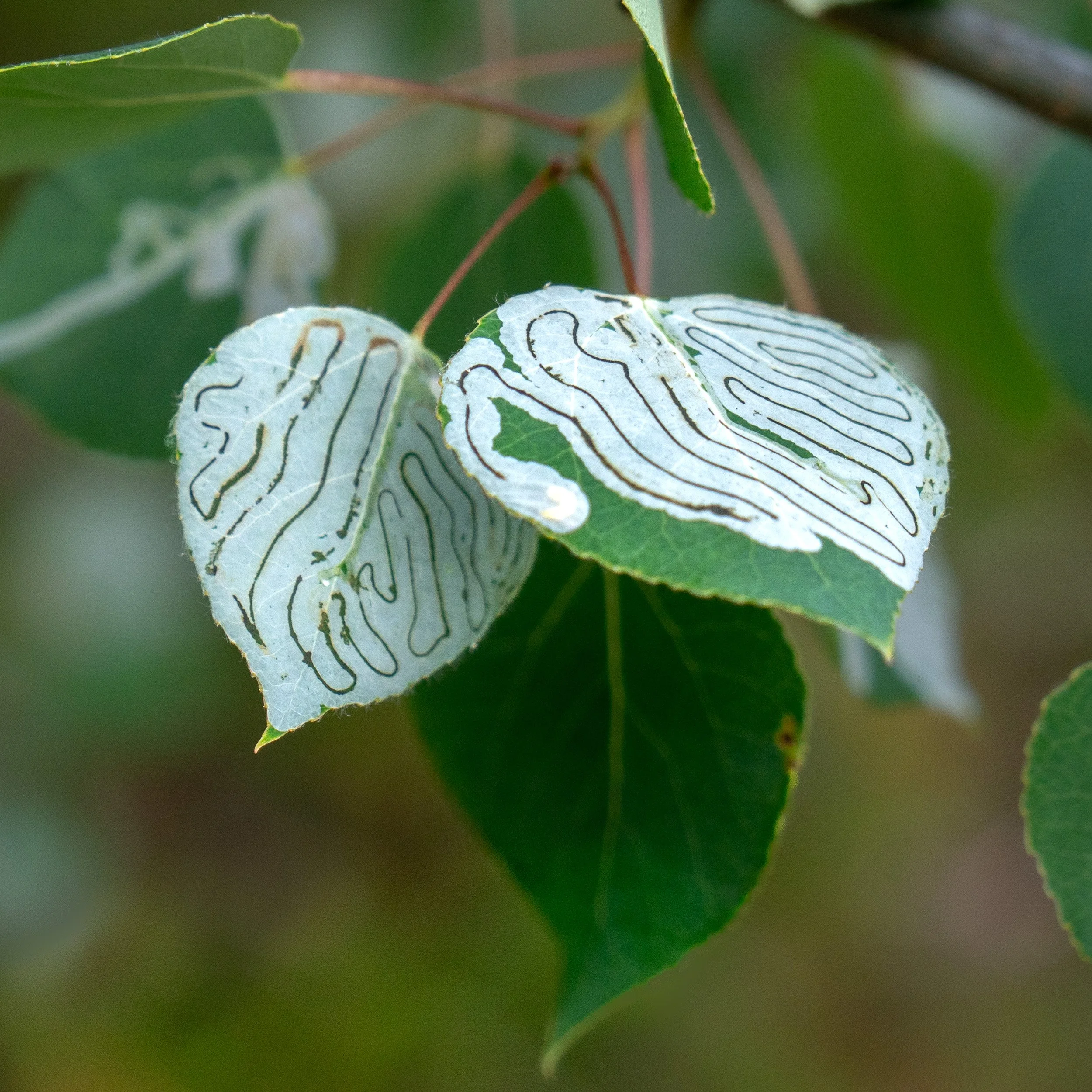
Marginalia
In old books, a reader lives in the margins: a word in faded ink, a line beneath a passage, a small mark where a thought paused.
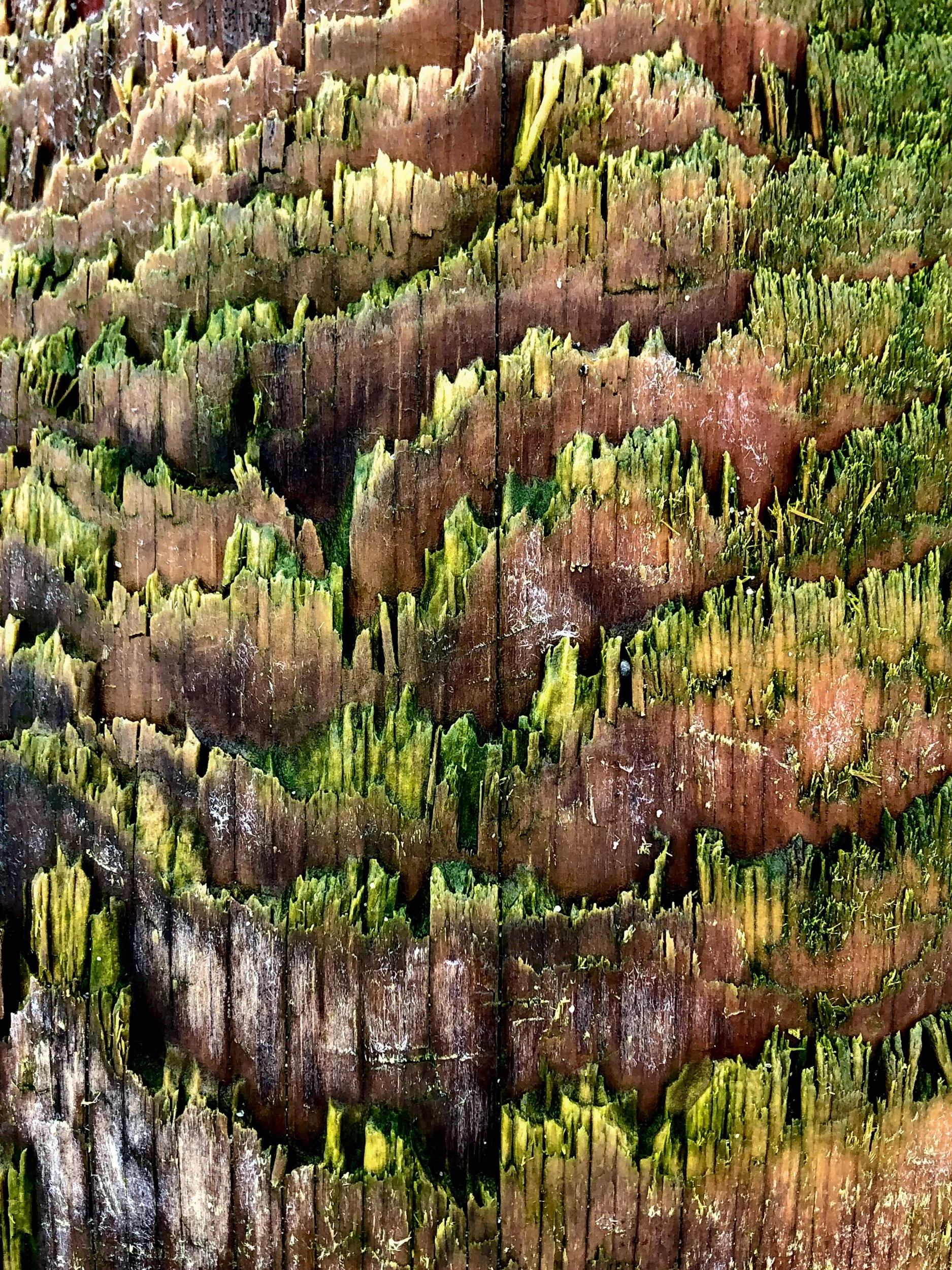
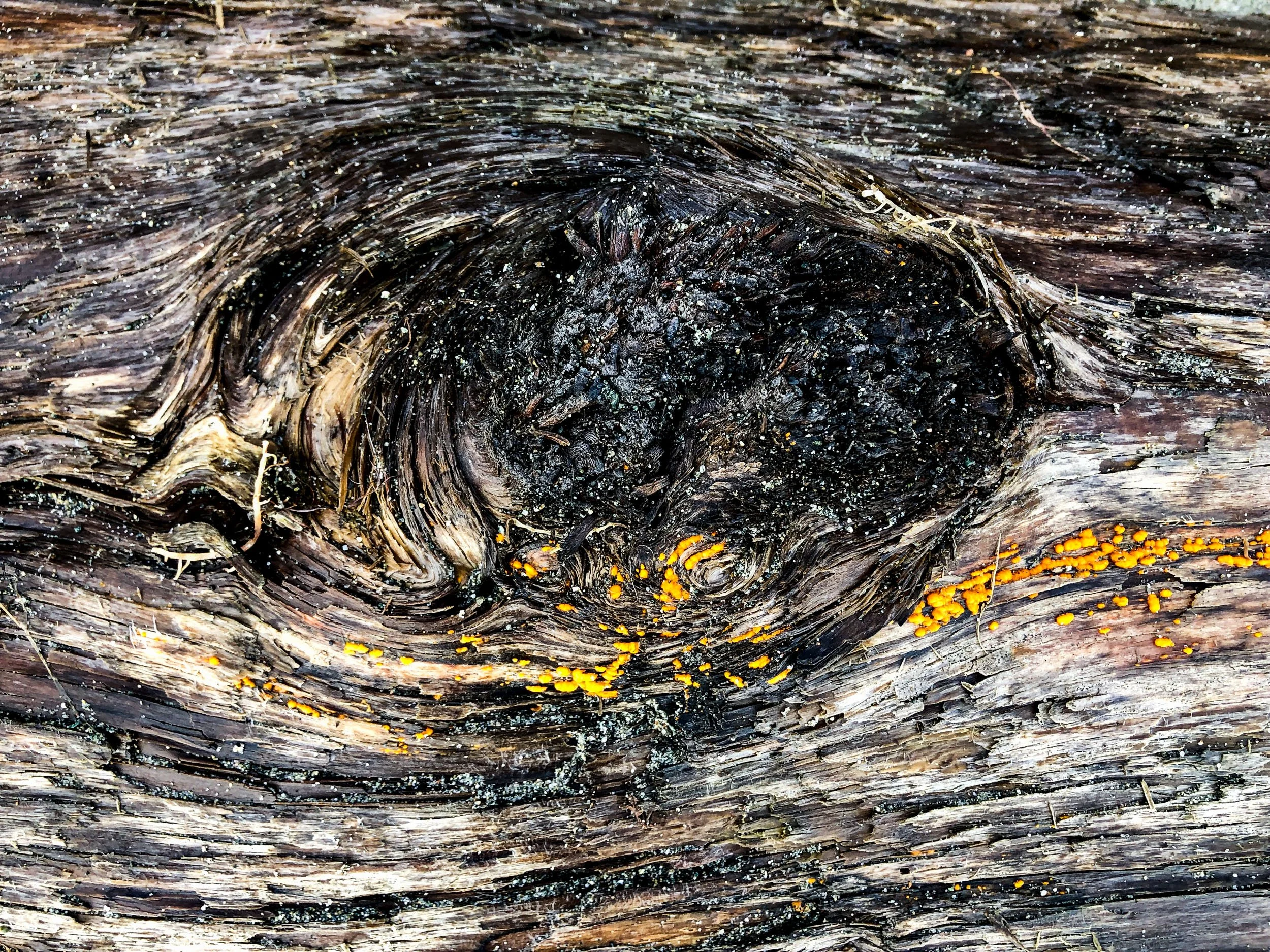
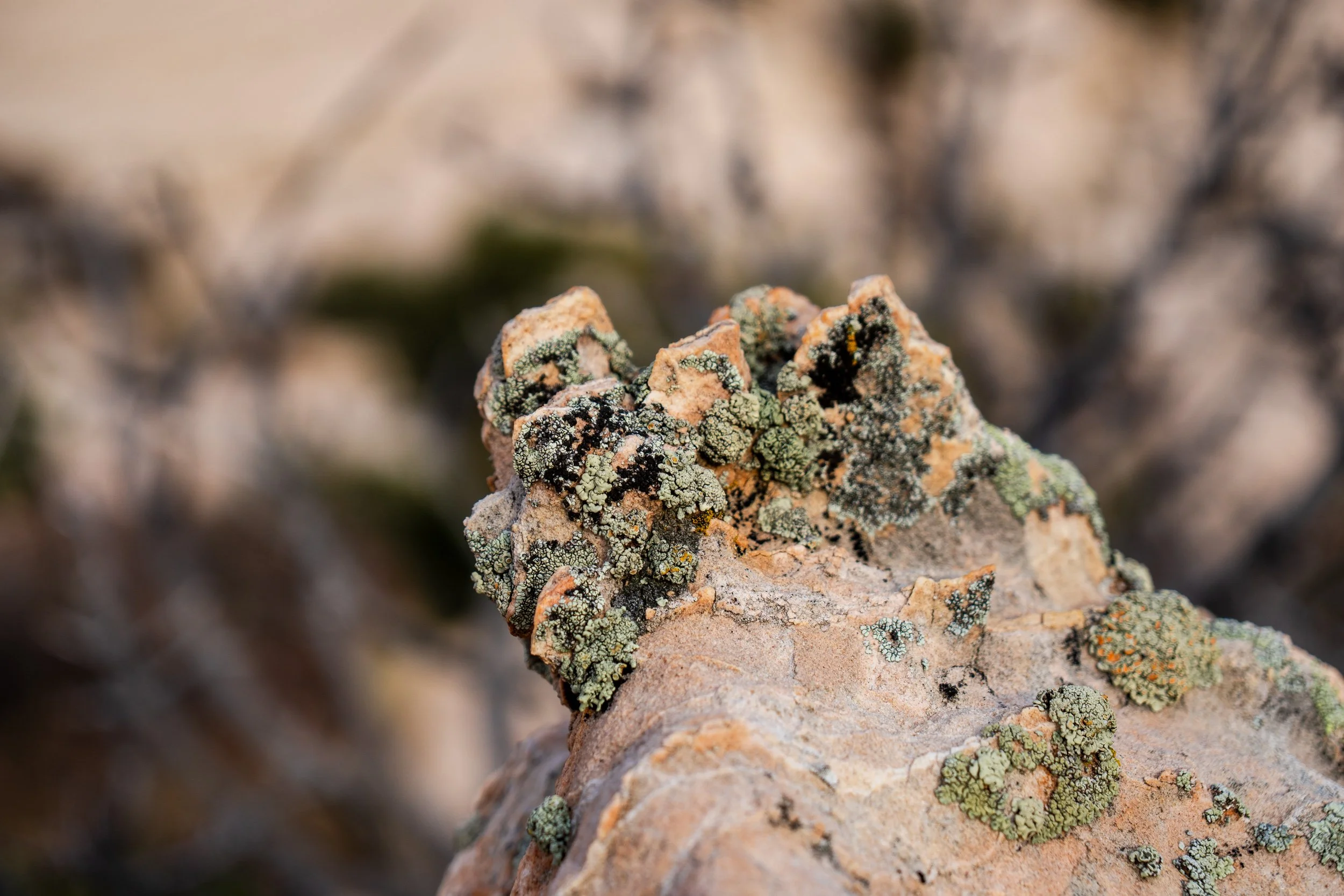
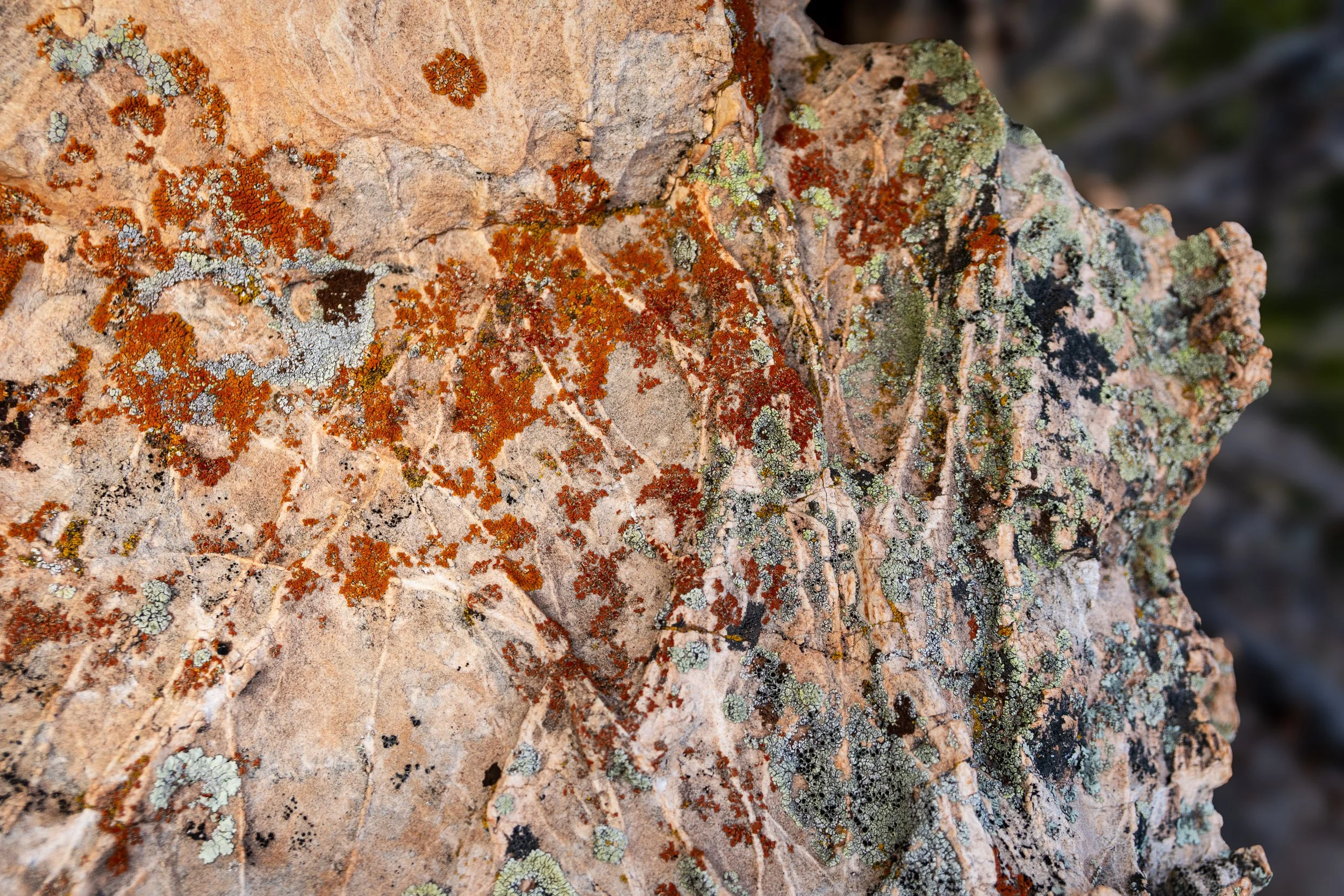
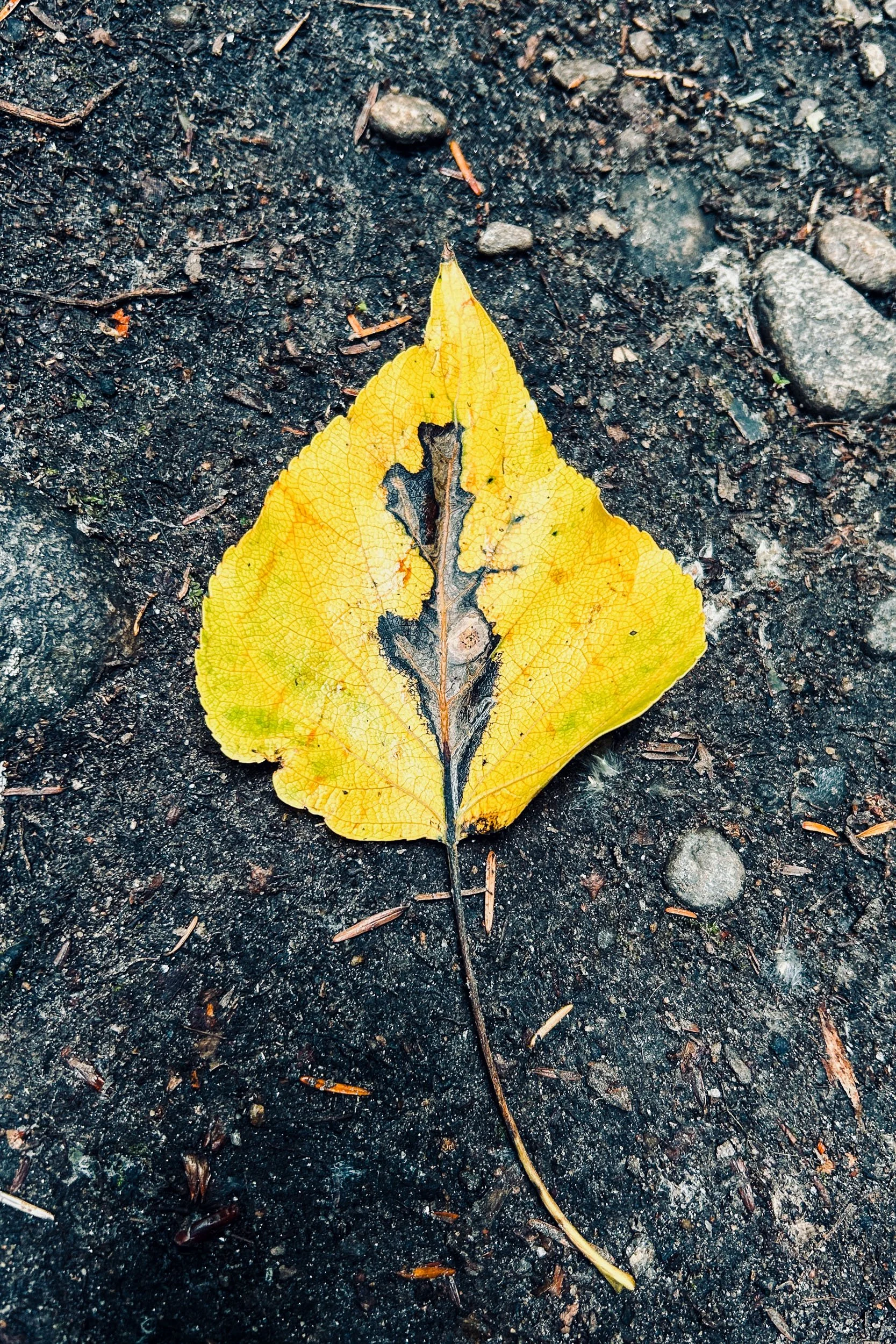
Wood, stone, and leaves keep their own texts. A tree writes its years in rings. A leaf is ruled with veins. A stone holds the marks of its making.
But then comes the reader.
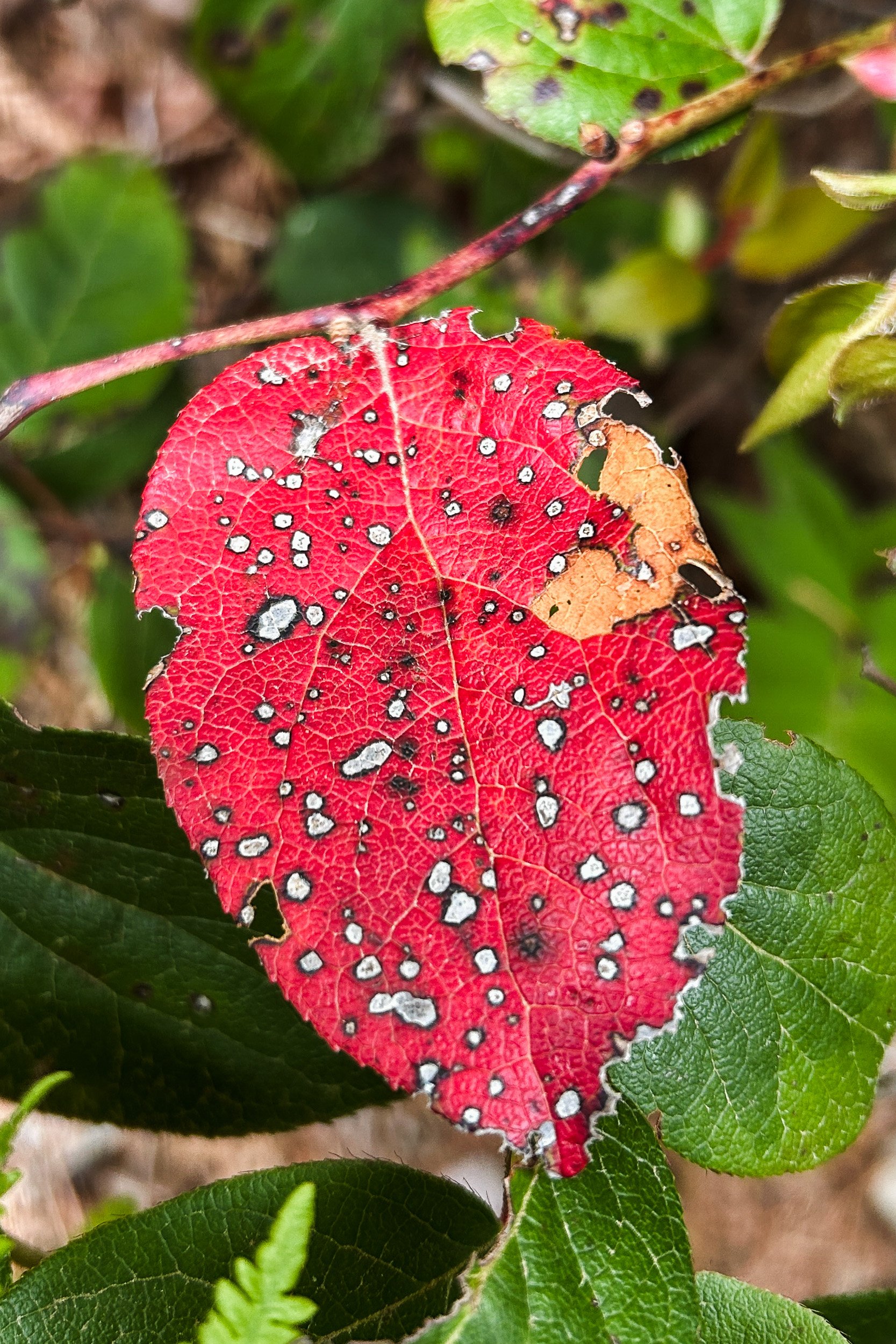
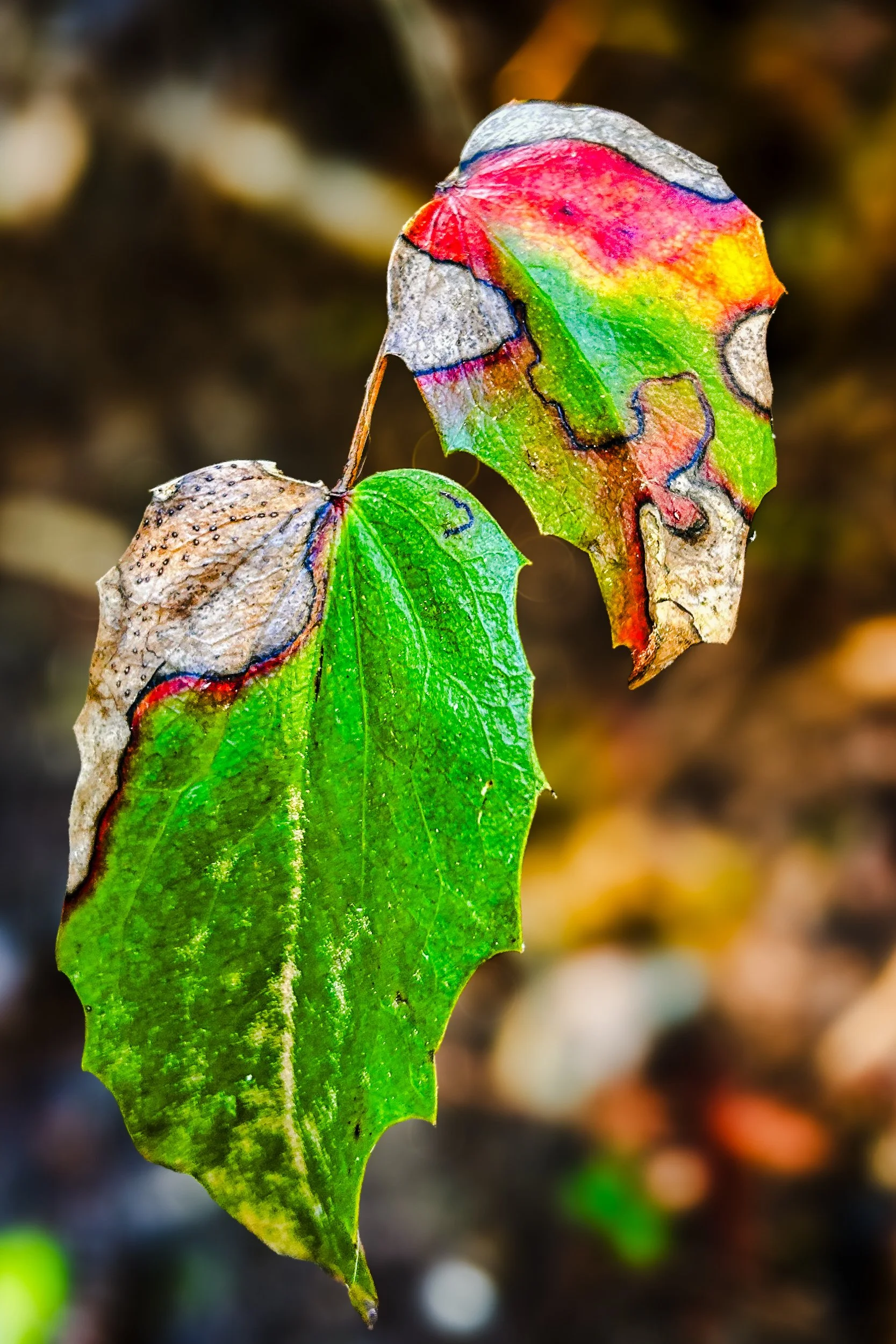
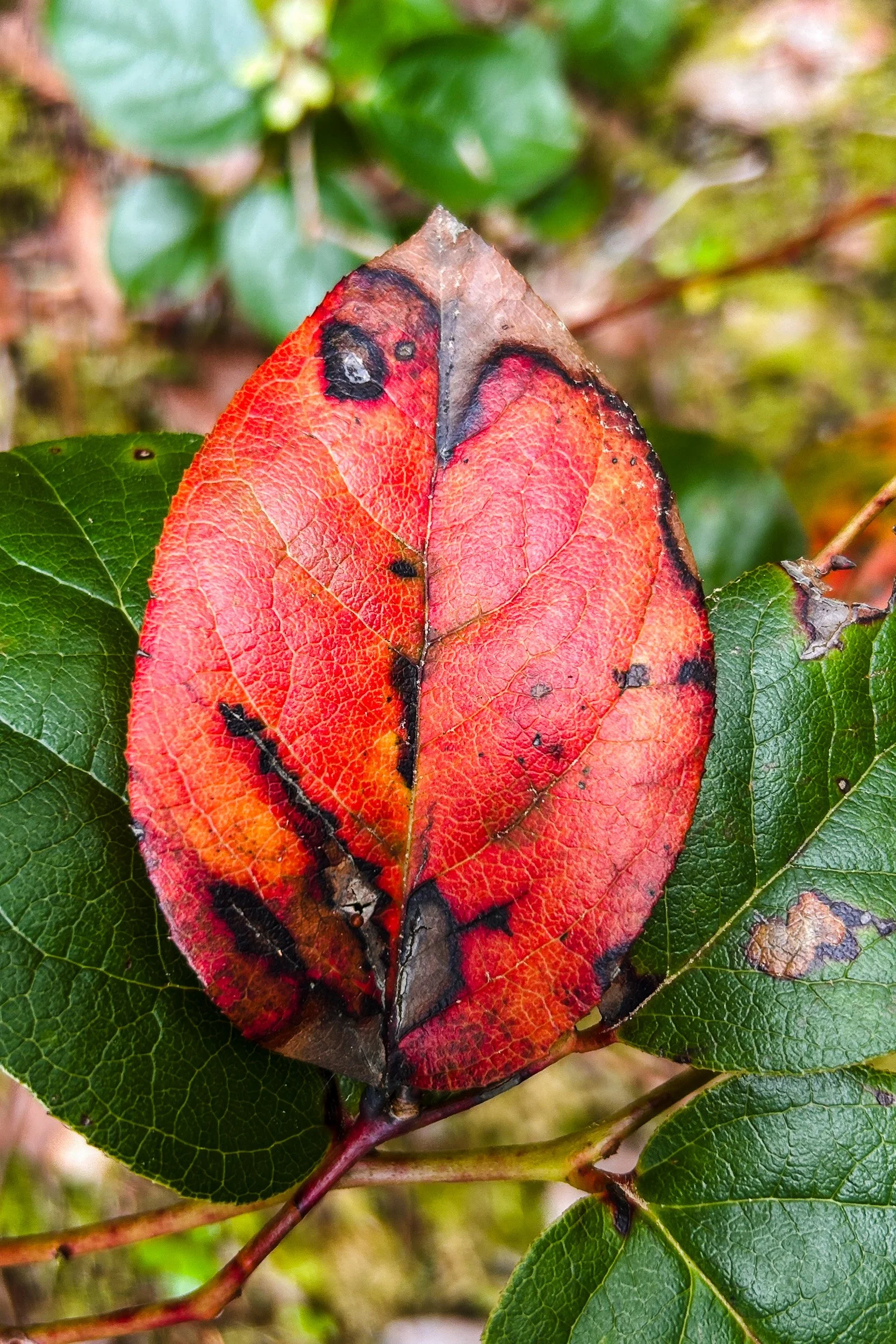
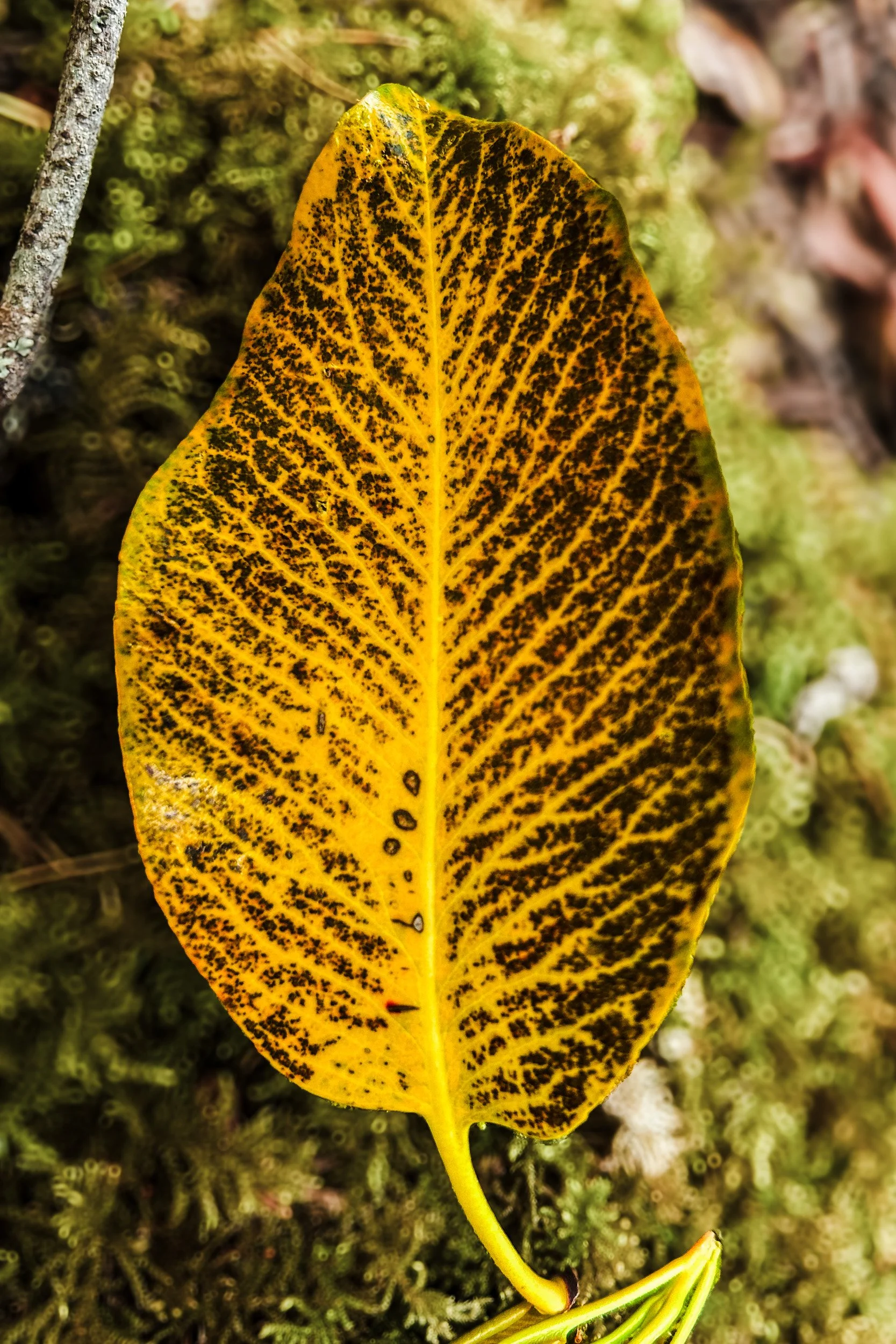
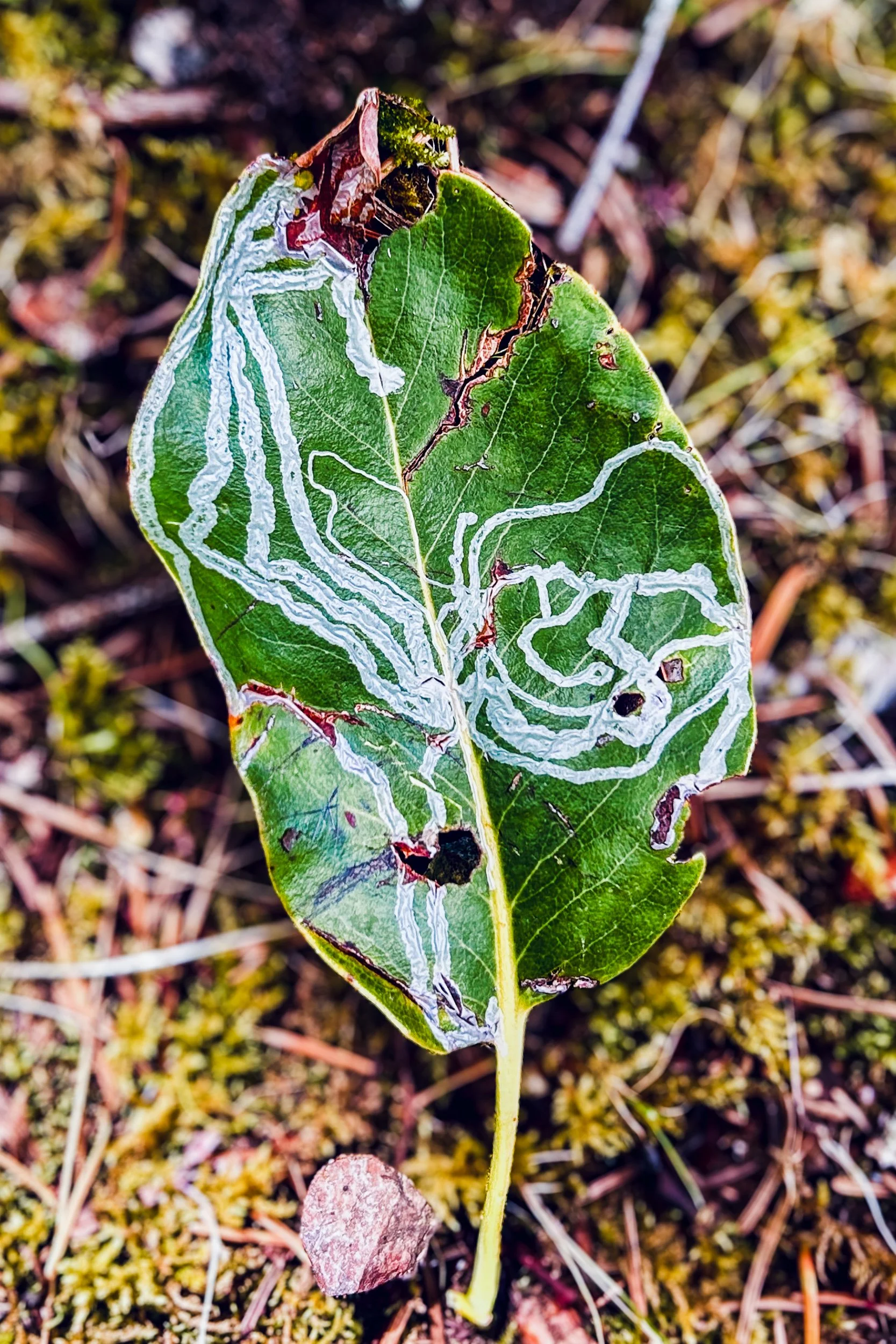
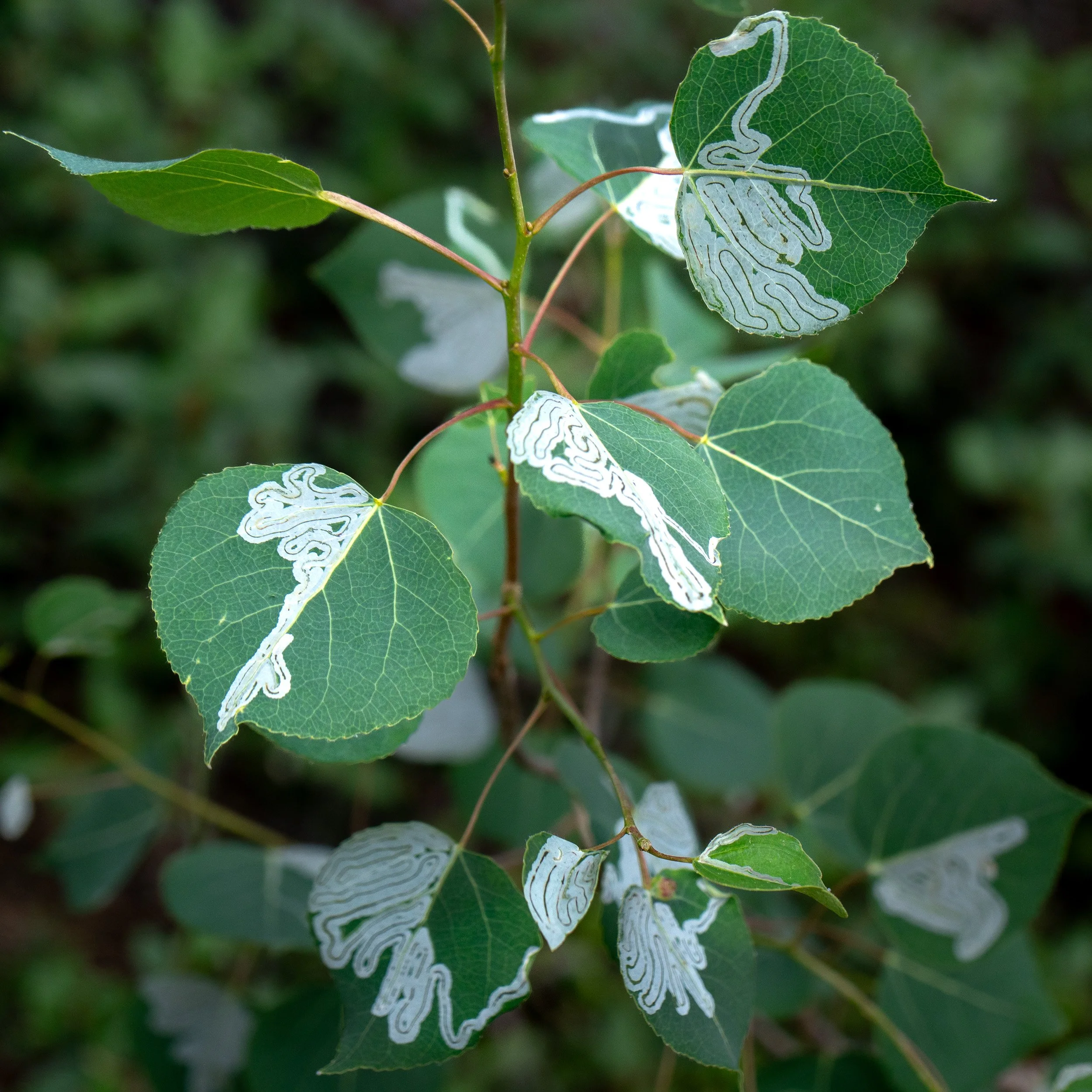
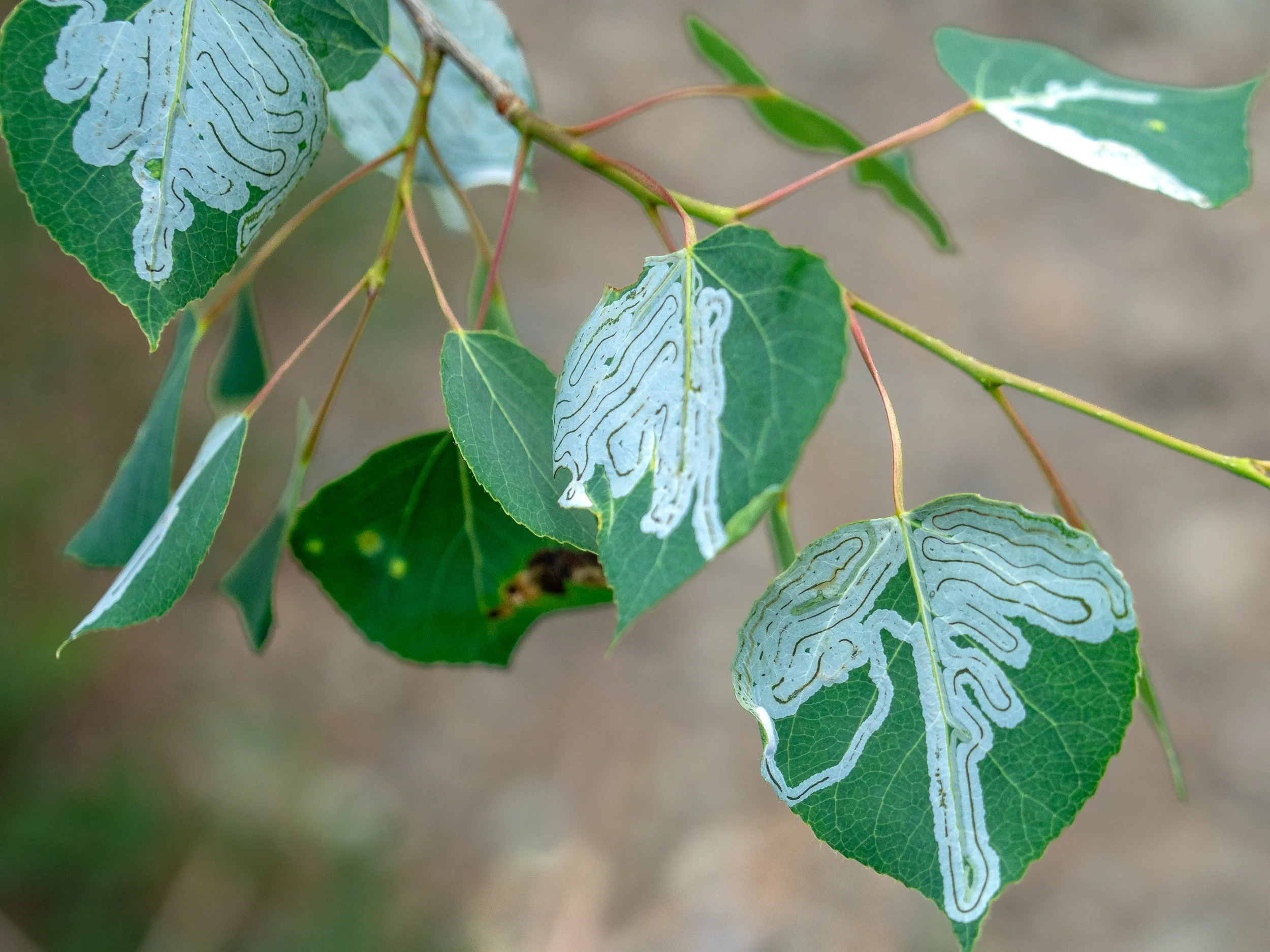
A fungus settles into the rings of a tree and spreads, ring by ring, year by year. Lichen creeps across the rock so slowly that a single patch can outlast the person who finds it. A larva meanders inside a leaf, between its two skins.
These readers do not keep to the margins. Many of them read by eating, and what they eat is the note: the trail is the leaf that is gone. The annotation and the erasure become one. What remains has the look of script: lines that double back, notes crowded around a centre, borders drawn where one life met another.
I come close enough to read both texts at once: the one that was there first, and the one written over it. Some of these notes took a summer. Others, decades.